



Written by Sunny
Modified & Updated: 25 Jun 2023

Reviewed by Jessica Corbett
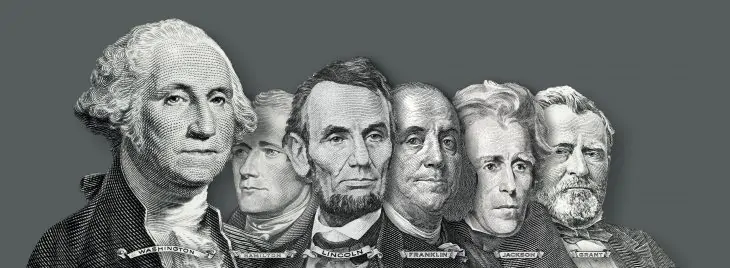
Upon reading the names in this article, you might already have preconceived ideas about who they are. These people shaped world history as known today, but they are all worth learning beyond their names. If you think you know them, then these people facts might make you think twice.
- Mahatma Gandhi’s ability to go 21 days without food caught the concern of government nutritionists.
- Queen Victoria became the first sovereign ruler from Buckingham Palace.
- Richard Branson, the founder of Virgin Group, Ltd., was dyslexic.
- Independent India’s first Prime Minister was Jawaharlal Nehru.
- His child, Indira Gandhi, became the first lady Prime Minister of India.
- Oprah Winfrey was the world’s richest African-American woman – the first black woman billionaire.
- Argentine ex-First Woman Eva Peron was an icon due to her many charitable work and feminist causes.
- Pope Francis was the first Pope from the U.S. and was the first Jesuit elected to the post.
- Polio paralyzed Franklin D. Roosevelt, but modern studies think it might have been Guillain-Barre Syndrome.
- Over 15 golf courses across the world are under the management of 45th U.S. President Donald Trump.
- The Oxford Union had Benazir Bhutto as the first Asian woman elected president.
- English journalist and novelist George Orwell wrote 3 non-fictions and 6 novels, 2 of which were made into movies.
- In 1984, Desmond Tutu became the 2nd South African Nobel Peace Prize winner for his apartheid abolition efforts.
- Before his film breakthrough, Peter Sellers made 2 comedy albums produced by George Martin.
- Reigned in 1930-1974, Haile Selassie I was the last emperor to rule Ethiopia.
- Norma Jeane Baker would often refer to “Marilyn Monroe” in the third person.
- To make his brown hair appear black, Elvis Presley used shoe polish.
- Walt Disney was a dropout from high school.
- American track and field athlete Jesse Owens set 3 world records while still in university.
- After playing 15 NBA seasons, Michael Jordan was 5-time NBA MVP and 6-time NBA Finals MVP.
Was this page helpful?
Our commitment to delivering trustworthy and engaging content is at the heart of what we do. Each fact on our site is contributed by real users like you, bringing a wealth of diverse insights and information. To ensure the highest standards of accuracy and reliability, our dedicated editors meticulously review each submission. This process guarantees that the facts we share are not only fascinating but also credible. Trust in our commitment to quality and authenticity as you explore and learn with us.